
An international journal of chemical biology and therapeutics
Chemical Biology & Therapeutics CBTExploring the frontiers of molecular medicine
Editorial team

Connecting international vision with academic depth.

Bringing together experts in glycoscience, molecular biology, neurobiology, medical imaging and global health.

Editorial missionBuilding a trusted path for high-level research communication through independent, rigorous and interdisciplinary judgement.
Academic leadership

Academic depth and international reach of the editorial team

The team spans basic research, technological innovation and clinical translation, building a multidisciplinary editorial system for the journal.

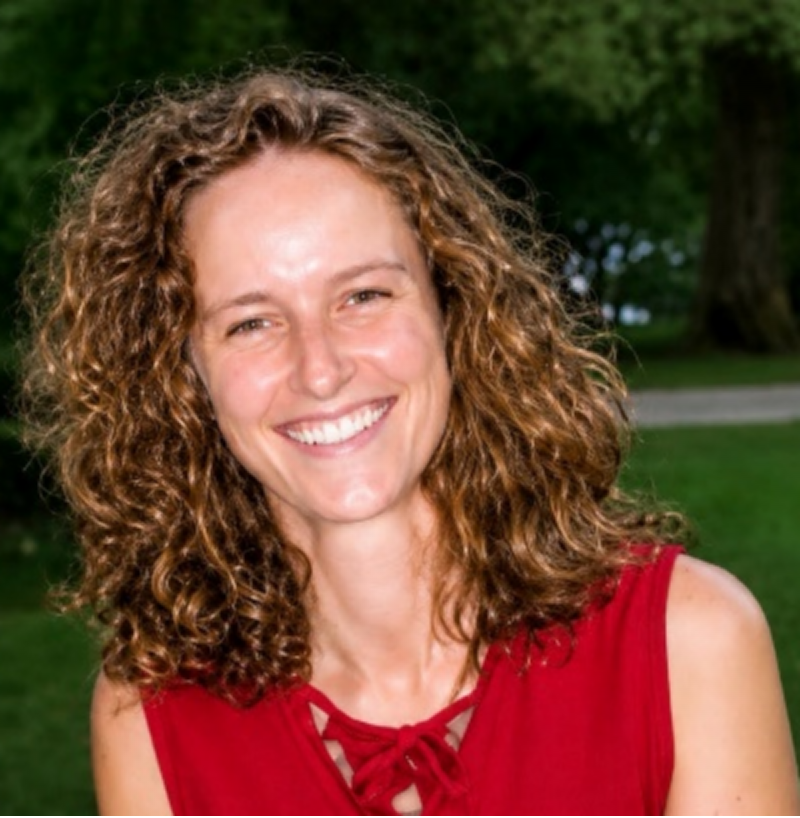
Portrait of Professor Wei WangChief Editor

Wei Wang PhD

Professor of Public Health · Edith Cowan University

Professor Wei Wang is Professor of Public Health at Edith Cowan University (ECU), Australia. An internationally recognized expert in public health, glycomics and predictive medicine, he has extensive academic and research experience across Australia and China. He has held senior leadership positions, including Dean of the School of Public Health and Family Medicine at Capital Medical University, Beijing, and Pro-Vice-Chancellor (China) at ECU, where he contributed to strengthening international academic and scientific collaboration. With more than 500 publications, Professor Wang has pioneered the concept of Suboptimal Health Status (SHS) and made significant contributions to research in glycomics, genomics and personalized medicine. He is a Fellow of the Royal College of Physicians (Faculty of Public Health, UK), the Royal Society of Biology and the Royal Society of Medicine. His achievements have been recognized through the EPMA Award in 2021 and the Australia–China Alumni Award in 2020. His work continues to advance international collaboration, public health research and translational biomedical science.
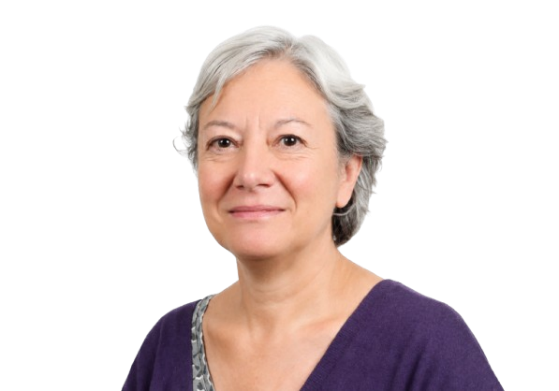

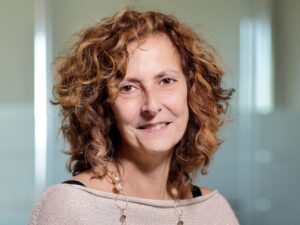
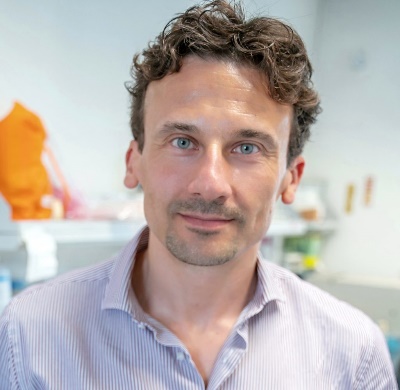
Portrait of Professor Annalisa PastoreDeputy Editor

Annalisa Pastore PhD

Structural biologist · King's College London

Professor Annalisa Pastore is a distinguished structural biologist whose pioneering work on protein misfolding and neurodegeneration has shaped the field. She was the first woman full professor at Scuola Normale Superiore di Pisa, a historic achievement in Italian academia, and later served as Director of Research at the European Synchrotron Radiation Facility. Currently, she is based at King’s College London, where she continues to advance structural biology and neurodegeneration research and she is distinguished scientist at Elettra Sincrotrone Trieste. Elected to EMBO (2001) and Academia Europaea (2013), she has also been nominated to AcademiaNet and serves in the Academia Europaea Biochemistry & Molecular Biology section committee. Her contributions extend to European science policy as an ERC Life Sciences panel member. Professor Pastore has authored over 300 publications, including influential studies on amyloid proteins and hereditary ataxias, which remain widely cited in the field.

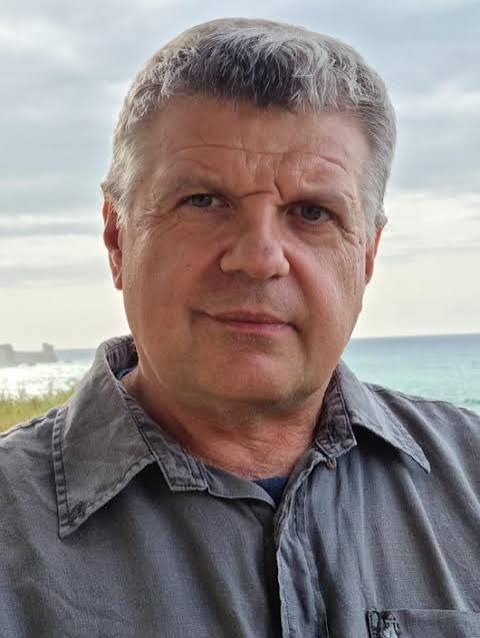
Portrait of Professor Minglin LangExecutive Editor

Minglin Lang PhD

Molecular biologist · University of Chinese Academy of Sciences (UCAS)

Professor Minglin Lang is a molecular biologist at the College of Life Sciences, University of Chinese Academy of Sciences (UCAS), Beijing. He completed his PhD in UCAS in Jul 2005, and worked in Tsinghua University and the Kansas State University, doing post PhD studies. He founded molecular genetics and nutrition lab in 2013, which focuses on roles of metal dyshomeostasis (e.g. iron, zinc, copper) and protein glycosylation in the progression of neurodegenerative diseases. He has authored over 70 peer-reviewed papers in domestic and foreign journals including PNAS、Plos Genet、Cell Death Dis、Cell Death Discov, BMC Biol, Front Immunol, Cell Rep, and the monograph Brassicaceae: Characterization, Functional Genomics and Health Benefits. His contributions has been awarded the Science and Technology Progress Prize of Hebei Province, the ASBMB Postdoctoral Travel Award, Hebei Province Top 100 Outstanding Innovative Talents Program, Backbone Talent of the Center for Excellence in Biological Interactions of Chinese Academy of Sciences, National Advanced Individual of Returned Overseas Chinese and Their Relatives, Zhu Liyuehua Outstanding Teacher Award of the Chinese Academy of Sciences, and the China Postdoctoral Science Foundation Award, advancing both biomedical innovation and plant molecular biology.

Portrait of Professor Mariagrazia PizzaEditorial Board Member

Mariagrazia Pizza PhD

Chair in Microbiology · Imperial College London

Mariagrazia Pizza is Chair in Microbiology at Imperial College London, UK, and Co-Director of the Centre for Bacterial Resistance Biology. An internationally recognised leader in bacterial vaccinology, she pioneered the development of the meningococcal B (MenB) vaccine, Bexsero, using reverse vaccinology, a groundbreaking approach to identifying protective antigens from bacterial genomic sequences. She also contributed to the development of an innovative acellular pertussis vaccine based on a genetically detoxified toxin. Her scientific achievements have earned international recognition, including election to the European Molecular Biology Organization (EMBO) in 2000 and Academia Europaea in 2018. She is also an elected member of the European Academy of Microbiology and a Fellow of the American Academy of Microbiology and the Academy of Medical Sciences, to which she was elected in 2026. A recipient of the 2023 IVI–SK Bioscience Park MahnHoon Award, she has authored more than 250 scientific publications and is a co-inventor on over 70 patents. She also serves as Vice Chair of the Bacteriology Division of the International Union of Microbiological Societies (IUMS) and contributes to the WHO Product Development for Vaccines Advisory Committee. Her current research focuses on developing new vaccines against antimicrobial-resistant bacterial pathogens, particularly Klebsiella pneumoniae, advancing global efforts to combat infectious diseases and antimicrobial resistance.

Portrait of Professor Piero Andrea TemussiEditorial Board Member

Piero Andrea Temussi PhD

Emeritus Professor · University of Naples Federico II

Piero Andrea Temussi is an Emeritus Professor at the University of Naples Federico II, Italy, and a Visiting Professor at King’s College London, UK. A pioneer of biological nuclear magnetic resonance (NMR) spectroscopy in Italy, his research spans protein folding, stability, molecular crowding, protein assembly and iron–sulfur cluster biogenesis. He has also investigated the molecular basis of taste, particularly interactions between sweet proteins and the human T1R2–T1R3 sweet-taste receptor. With more than 200 scientific publications, his contributions have advanced structural biology and biophysical chemistry. He received the Gold Medal of the Italian Group of Magnetic Resonance in 1989 and was elected to Academia Europaea in 2019. His research has advanced fundamental understanding of molecular processes underlying biological function.

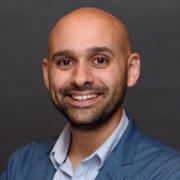
Portrait of Professor Safwan AkramEditorial Board Member

Safwan Akram PhD

Professor of Biomanufacturing, Engineering Biology · Teesside University

Muhammad Safwan Akram is Professor of Biomanufacturing, Engineering Biology and Innovation in Biosciences at Teesside University, UK. He holds a PhD in Analytical Biotechnology from the University of Cambridge, where he also conducted postdoctoral research on low-cost diagnostics. His research spans engineering biology, biologics manufacturing, biosensors and sustainable bioprocessing, translating scientific advances into healthcare and industrial applications. He has secured competitive funding from Innovate UK and BBSRC for sustainable medicines manufacturing, advanced therapies and doctoral training. His awards include the MedImmune Award, CambridgeSens Innovative Idea Award and Health & Life Science Research Award. With approximately 50 publications and over 3,500 citations, he combines research leadership with industry partnerships, biotechnology commercialization and education.

Portrait of Professor David C. RubinszteinEditorial Board Member

David C. Rubinsztein PhD

Deputy Director · Cambridge Institute for Medical Research

David Rubinsztein, Professor of Molecular Neurogenetics at the University of Cambridge and UK Dementia Research Institute Division, is a leading neurogeneticist and cell biologist. He served as Deputy Director of the Cambridge Institute for Medical Research from 2012-2025. He is a Fellow of the Academy of Medical Sciences (2004), EMBO (2011), Academia Europaea (2022), and the Royal Society (2017). His achievements include the Thudichum Medal (2017), the Roger de Spoelberch Prize (2017), and the Movement Disorders Research Award (2024). Repeatedly listed as a Highly Cited Researcher, he has published over 450 papers, including landmark studies on autophagy in neurodegeneration and aging, making him one of the most influential scientists in neurodegeneration.

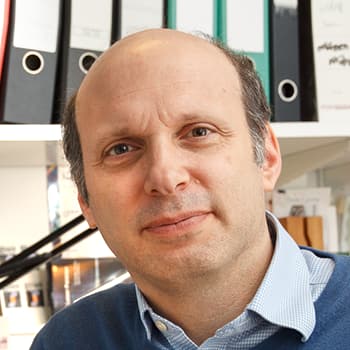
Portrait of Professor Francesco AprileEditorial Board Member

Francesco Aprile PhD

Associate Professor of Biological Chemistry · Imperial College London

Francesco Antonio Aprile, an Associate Professor in Biological Chemistry at Imperial College London and a UKRI Future Leaders Fellow. He earned his PhD in Biology (Biochemistry) from the University of Milano-Bicocca, Italy, in 2012, and previously held an Alzheimer’s Society Senior Research Fellowship at the University of Cambridge. His research focuses on amyloid aggregation, protein misfolding, and the rational design of antibodies and peptides to investigate neurodegenerative diseases. Through competitively funded research, he has contributed to innovative antibody-based approaches targeting pathological protein aggregates associated with Alzheimer’s and Parkinson’s diseases. He has authored over 100 scientific publications, which have received more than 5,200 citations, reflecting the impact of his research on protein aggregation and neurodegenerative disease mechanisms.

Editorial Board Member

Laura Masino PhD

Molecular neuroscientist · Francis Crick Institute

Laura Masino is a molecular neuroscientist at the Francis Crick Institute, holding a PhD from University College London. Her research focuses on RNA-binding proteins and their roles in gene regulation and neurodegeneration, particularly in amyotrophic lateral sclerosis (ALS) and frontotemporal dementia. She investigates the molecular mechanisms underlying RNA processing, protein dysfunction, and disease progression, contributing to a deeper understanding of neurodegenerative disorders. She has authored 59 scientific publications, including studies published in Nature and Nature Structural & Molecular Biology, reflecting her contributions to the fields of RNA biology and neurodegeneration.

Portrait of Professor Mario BortolozziEditorial Board Member

Mario Bortolozzi PhD

Associate Professor · University of Padua

Mario Bortolozzi, is an Associate Professor at the University of Padua and a research group leader at the Veneto Institute of Molecular Medicine (VIMM), Italy. He holds a PhD in Neurobiology from the University of Padua and has research experience at the University of Oxford. His research focuses on connexin channels, cellular signaling, and the molecular mechanisms underlying neurological disorders, particularly Charcot–Marie–Tooth disease and Parkinson’s disease. Using advanced microscopy, electrophysiology, and computational approaches, his group investigates disease mechanisms and potential therapeutic strategies. He has authored over 85 scientific including influential work in Molecular Cell and PNAS, which highlight his contributions to cellular signaling and neurodegeneration.

Editorial Board Member

Marco Sette PhD

Associate Professor of Molecular Biology · University of Rome

Marco Sette is an Associate Professor of Molecular Biology at the University of Rome Tor Vergata, Italy. He obtained his PhD in Cellular and Molecular Biology with research focused on the structural characterization of metalloproteins using nuclear magnetic resonance (NMR) spectroscopy. He also holds a French habilitation in Biochemistry and Molecular Biology and maintains an academic affiliation with Sorbonne Paris Nord University, France. His research spans structural biology, NMR spectroscopy, and the characterization of antimicrobial and anticancer peptides. His work contributes to a deeper understanding of the molecular basis of peptide structure and function, with potential implications for therapeutic development. His scientific contributions are reflected in approximately 60 publications and more than 2,400 citations, alongside his editorial roles as Associate Editor for Frontiers in Molecular Biosciences and Biomolecules.

Editorial Board Member

Spyros Georgatos PhD

Professor of Biological Chemistry · University of Ioannina

Spyros Georgatos is Professor of Biological Chemistry at the University of Ioannina Medical School, Greece, and a collaborating researcher at the Biomedical Research Institute (BRI) of FORTH. He holds a medical degree from the University of Athens and a PhD in Biology from Yale University, USA. His international research career includes appointments at Caltech, Rockefeller University and the European Molecular Biology Laboratory (EMBL), Germany. An elected member of the European Molecular Biology Organization (EMBO), his research explores nuclear architecture, nuclear–cytoskeletal interactions, cell division and stem cell differentiation, with particular emphasis on how nuclear organization contributes to cellular function. He has authored a book and more than 60 scientific publications, which have received over 5,000 citations, reflecting his contributions to cell and molecular biology.

Editorial Board Member

Anastasia Politou PhD

Associate Professor of Biological Chemistry · University of Ioannina

Anastasia S. Politou is an Assistant Professor of Biological Chemistry at the Medical School of the University of Ioannina and a Group Leader at the Biomedical Research Institute (BRI-FORTH), Greece. She holds a PhD in Chemistry from New York University, USA, and has international research experience at the European Molecular Biology Laboratory (EMBL) and the UK Medical Research Council’s National Institute for Medical Research. Her research focuses on the structure and dynamics of chromatin-related proteins and protein complexes, contributing to a better understanding of their molecular functions and interactions. She has authored 35 scientific publications, which have received over 1,080 citations. Her achievements include establishing Greece’s first high-resolution NMR facility at the University of Crete and the DNA microarray facility at the University of Ioannina, as well as managing numerous research grants.